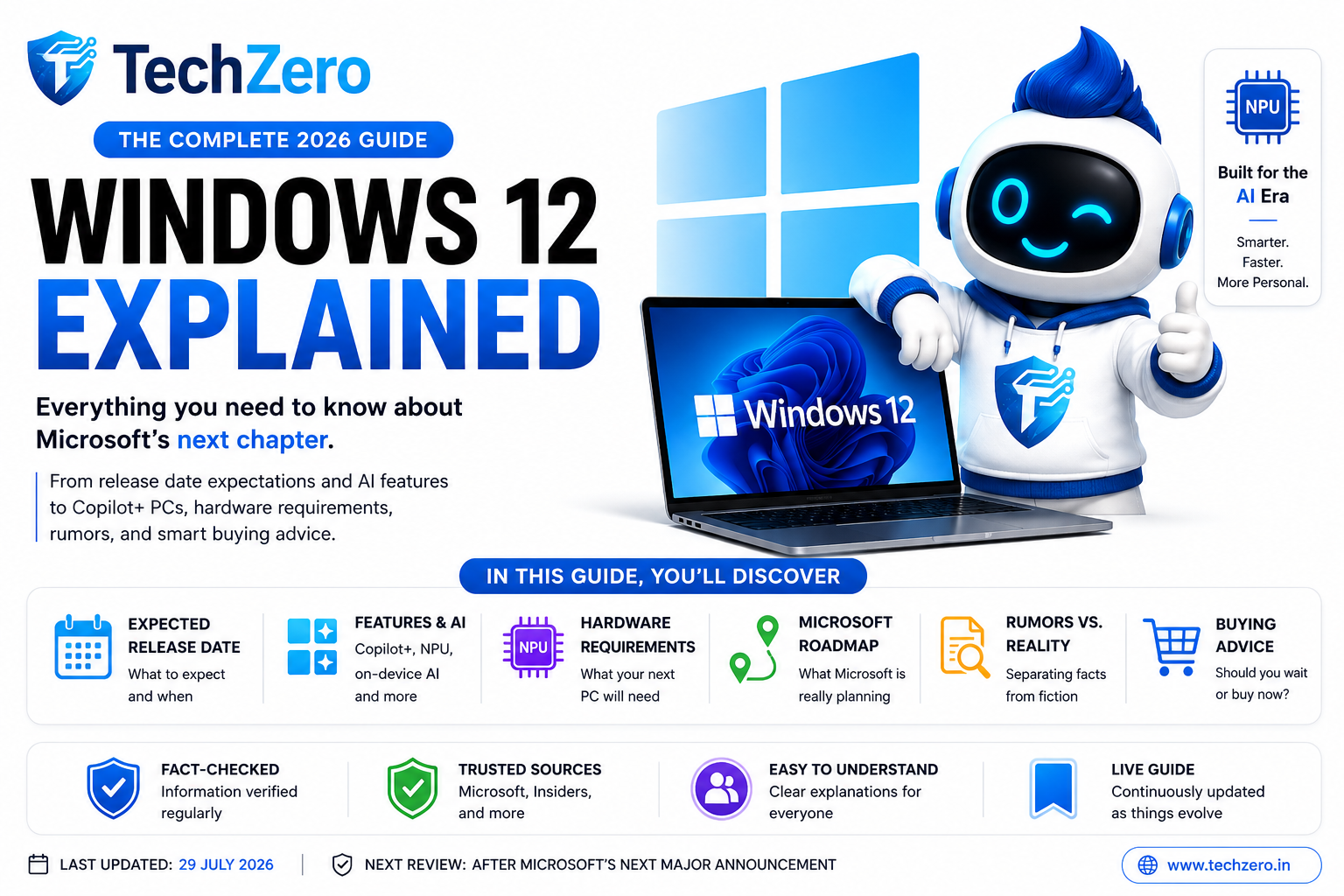

Microsoft hasn’t officially announced Windows 12 yet. Whenever Microsoft reveals new information, this guide will be updated instead of creating dozens of news posts. Bookmark this page to stay ahead of the curve.
📌 At a Glance
- Announcement: Not announced
- Latest Windows: Windows 11 26H2
- Need to wait? No
- Need NPU? Yes
- Recommended Purchase: Copilot+ PC
- Read Time: 8 minutes
- Last Updated: July 2026
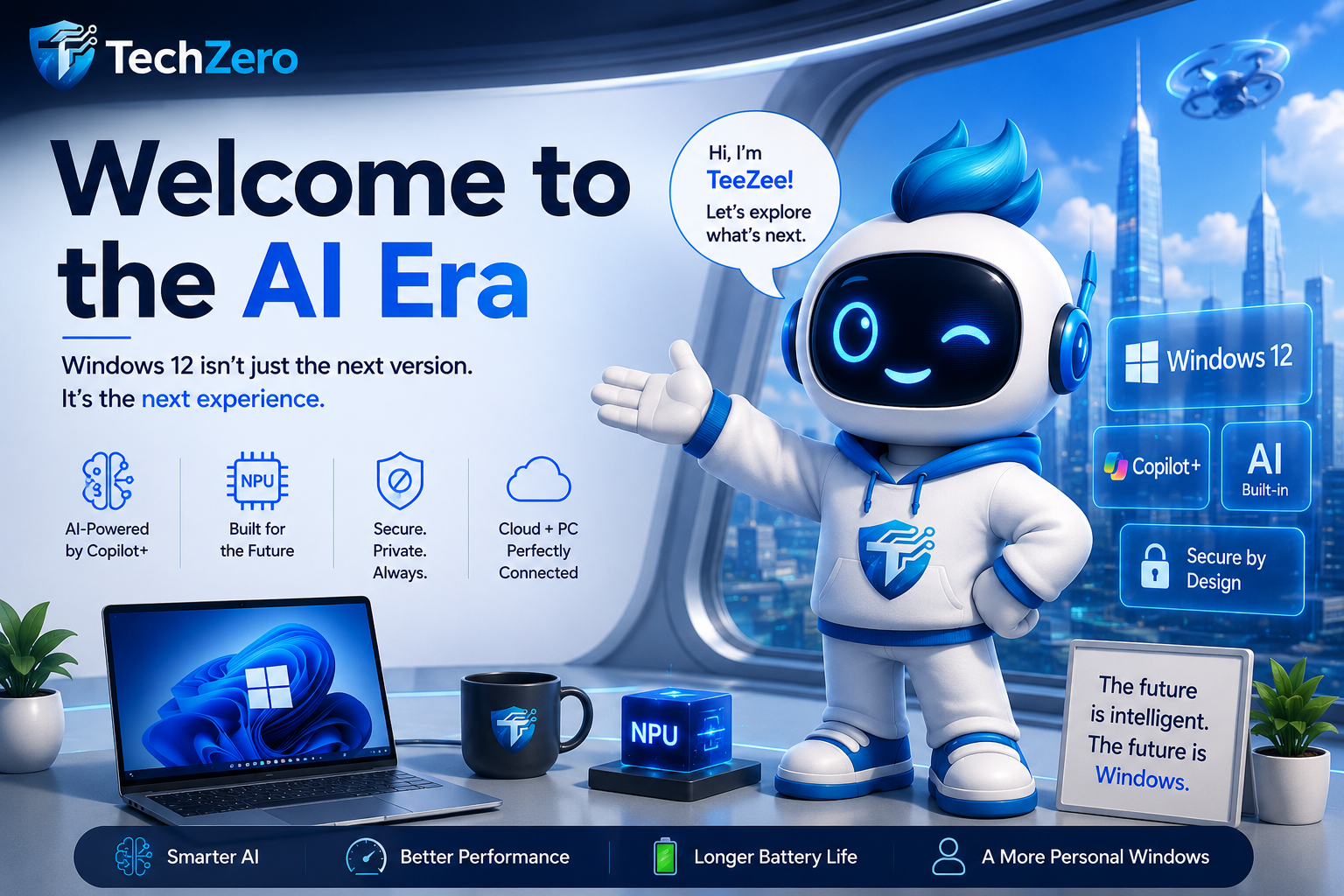
Should You Wait for Windows 12?
Short answer: No.
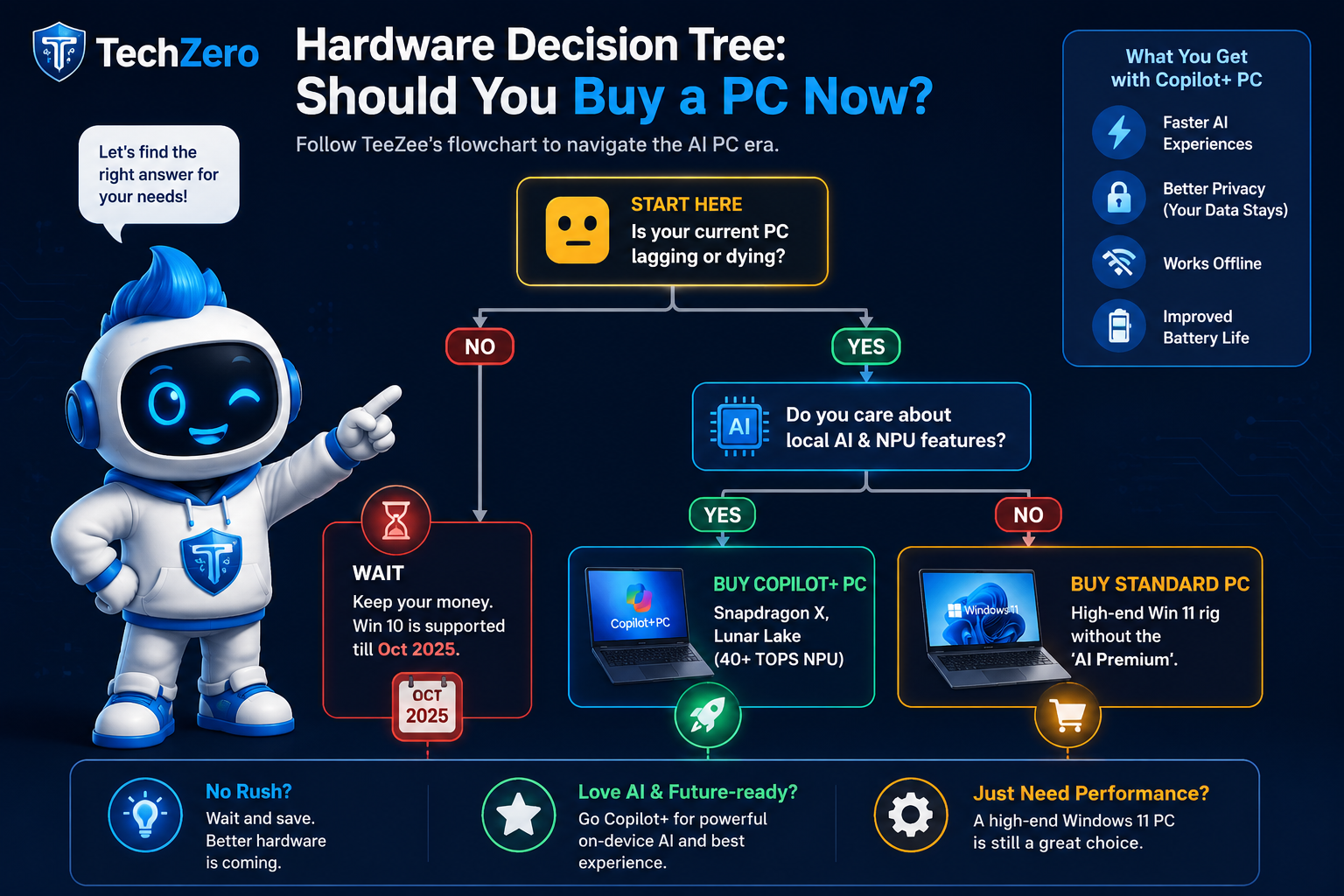
Based on Microsoft’s current roadmap as of July 2026, Microsoft has shifted its focus entirely to Windows 11 and “Copilot+ PCs.” Based on Microsoft’s current product strategy, many capabilities that were widely expected under a future Windows release have instead been introduced through Windows 11 and the Copilot+ ecosystem. If you need a new PC today, buy a Copilot+ machine or a high-end Windows 11 rig. Do not wait for a “Windows 12” that currently isn’t on the official roadmap.
Ignore the version number. Buy the hardware that fits your work, because Microsoft’s AI roadmap depends far more on your NPU than on whether the operating system is called Windows 11 or Windows 12.
Current ecosystem snapshot (As of July 2026):
Should You Wait? | The Story | Is It Cancelled? | Upcoming Features | What If It Launched? | Readiness Tool
The “Windows 12” Story
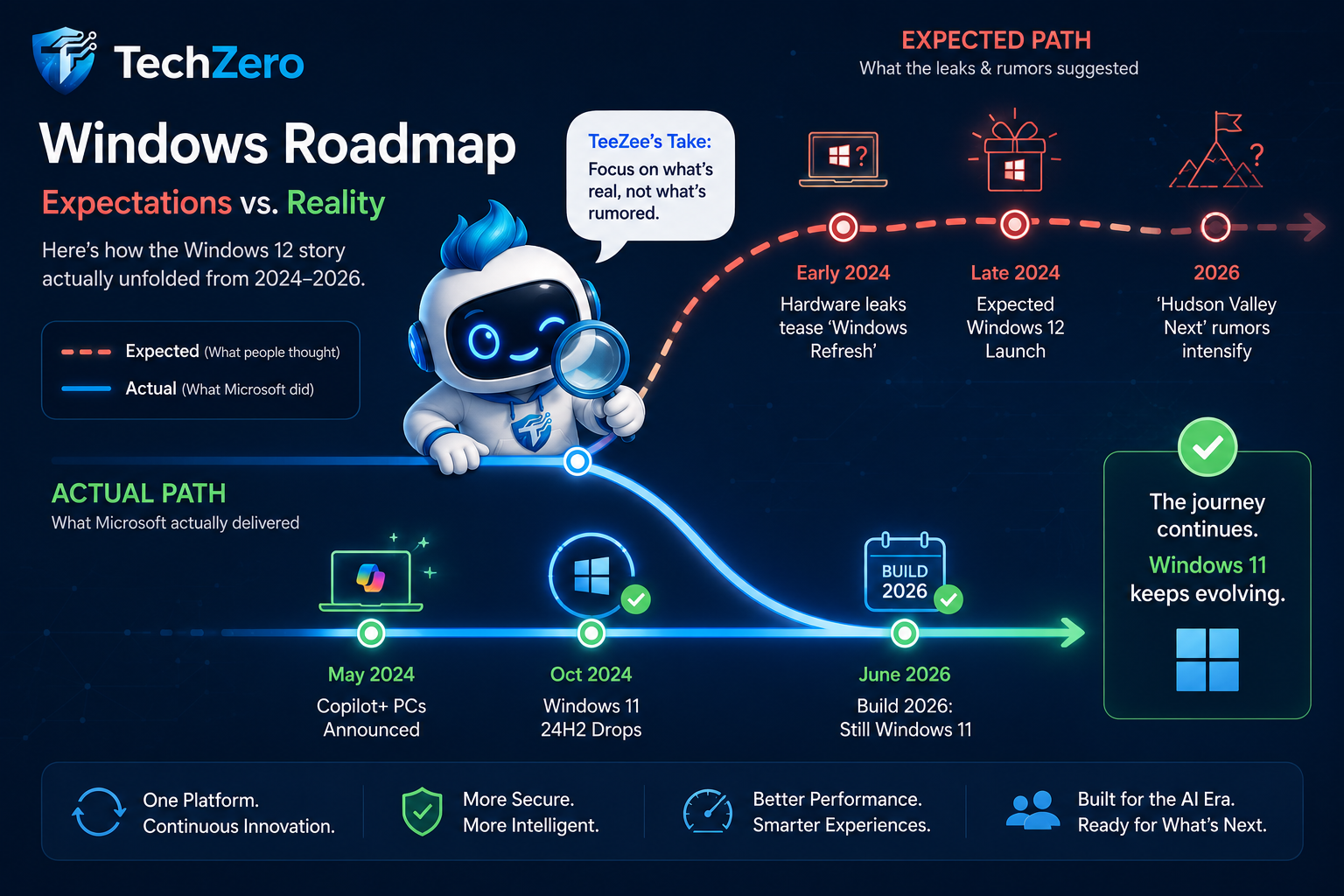
In early 2024, almost everyone believed Windows 12 was just months away.
Hardware companies hinted at it. Leaks spread across the internet. YouTube exploded with “Windows 12 is coming” videos.
Then Microsoft stepped onto the Build stage—and never said the words “Windows 12” at all.
So what changed? In this guide, we’ll separate ✔ facts from ✘ rumors and help you decide whether holding out for the next major OS makes any sense.
Who is this article for?
Perfect for:
- ✓ Students buying a laptop
- ✓ Professionals & Creators
- ✓ Gamers & Developers
- ✓ Businesses & Enterprise IT
- ✓ Existing Windows 10 & 11 users
- ✓ Copilot+ PC buyers
Not for:
- ✗ Mac-only users
- ✗ Linux enthusiasts
Legacy OS
Modern Base
Software Shift
Hardware Shift
NPU Dependent
Is Windows 12 Cancelled?
Instead of launching a brand-new OS, Microsoft chose to heavily update Windows 11. By keeping the Windows 11 name, Microsoft avoided fragmenting its user base.
The Timeline of the Rumor:
- Late 2023: Hardware partners publicly mention a “Windows refresh.”
- Early 2024: Leaks point to a massive AI-centric overhaul of the Windows core.
- May 2024: Microsoft announces “Copilot+ PCs”—delivering next-gen AI features natively into Windows 11.
- March 2026: A viral rumor claims Windows 12 (codenamed “Hudson Valley Next”) is launching in late 2026. This is quickly debunked by industry insiders.
- June 2026: Microsoft Build passes with zero announcements regarding a new consumer OS.
What New Features Could Future Windows Bring?
While the name “Windows 12” might be on hold, the features originally slated for it are either rolling out now or in the pipeline. Here is the current status:
AI Explorer (Recall) 🟢 Confirmed
A searchable, photographic memory of everything you have done on your PC, utilizing the NPU to process data locally.
Deep Copilot Integration 🟢 Confirmed
AI acting as a systemic layer rather than just a sidebar app, automating workflows natively.
Floating Taskbar 🟡 Expected
A UI redesign that detaches the taskbar from the bottom edge of the screen, creating a dock-like aesthetic.
Modular OS Core (CorePC) 🟠 Possible
A lighter, faster underlying architecture that strips away legacy bloatware for faster updates.
Subscription-Based OS 🔴 Not announced
Speculation that Windows would force a monthly fee for basic usage. This has been thoroughly dismissed by Microsoft’s current actions.
Don’t panic buy a new PC just for “modular OS” rumors. A good rule of thumb: If your current PC doesn’t stutter when you multitask, you probably don’t need a hardware upgrade until Windows 10 hits its end of life in 2025.
🧠 What If Windows 12 Launched Tomorrow?
People love hypothetical scenarios. If Microsoft surprised the world and dropped “Windows 12” tomorrow, here is exactly how it would likely impact your current setup:
| Scenario | What would happen? |
|---|---|
| Windows 10 user | Strict hardware check (Likely blocked by TPM 2.0 or NPU requirements) |
| Windows 11 user | Probably a free update, assuming hardware supports it |
| Copilot+ PC owner | Little changes beyond branding; your NPU already handles next-gen AI |
| Gaming PC owner | Almost no immediate benefit for FPS or game compatibility |
| Office / Web user | Continue using current system; no forced migration |
Will Your PC Support Future Windows AI Features?
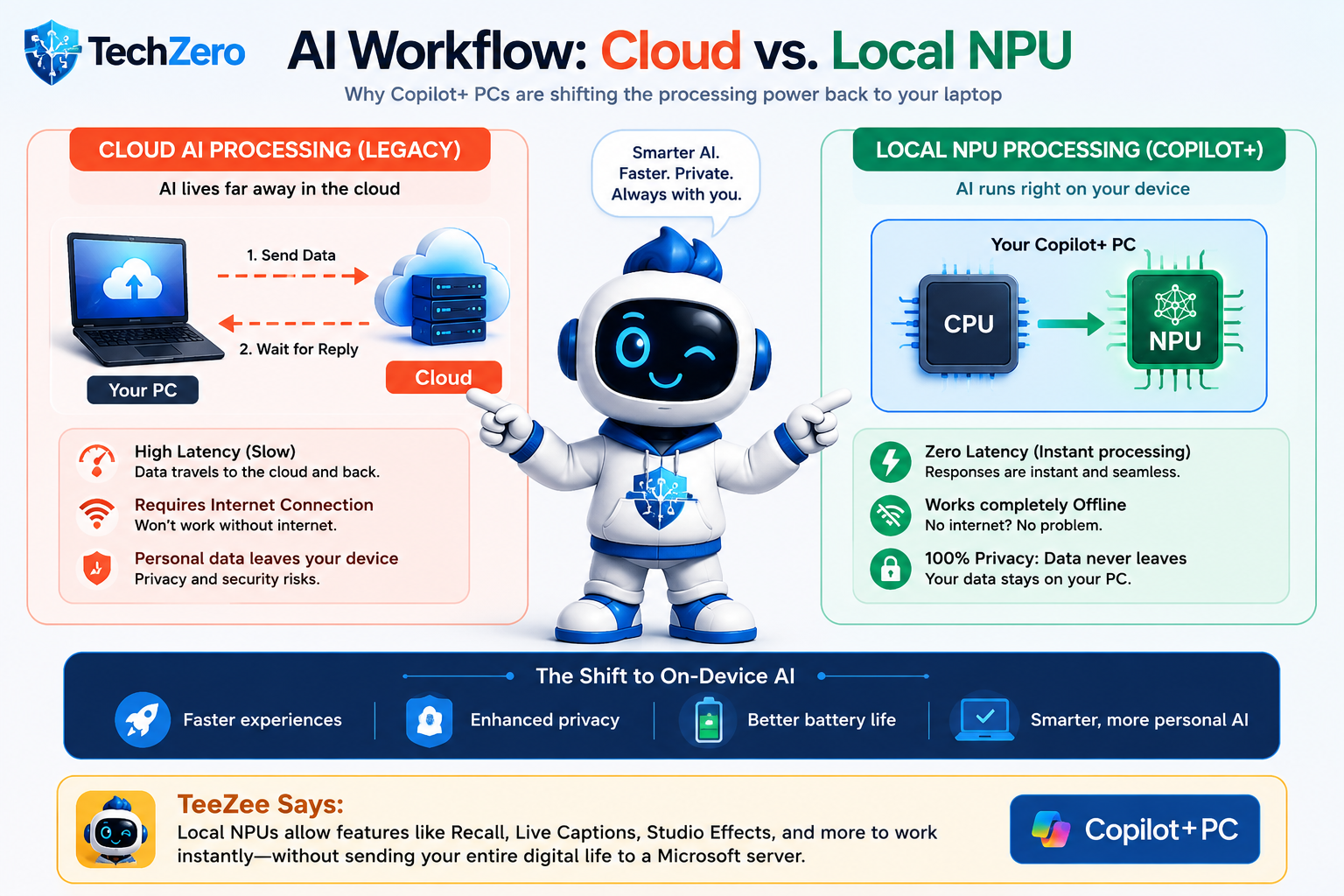
The dividing line for the future of Windows isn’t the software version—it’s your hardware’s NPU (Neural Processing Unit).
The TechZero Readiness Profiles
Find your hardware profile below to see where you stand.
- 🟢 Ready
- Why: Your PC already meets the latest AI hardware expectations (40+ TOPS NPU).
- Keep doing: Stay on Windows 11 and keep your automatic updates enabled.
- Avoid: Replacing your PC anytime soon, or falling for “Windows 12” upgrade scams.
- 🟡 Capable, but missing local AI
- Why: You will receive standard UI, security, and gaming updates for years. However, advanced on-device AI features will be locked out.
- Keep doing: Enjoy your machine. Rely on cloud-based AI when needed.
- Avoid: Upgrading just for AI Explorer unless your workflow demands it.
- 🔴 Action Required Soon
- Why: Windows 10 support officially ends in October 2025.
- Keep doing: Back up your data and budget for a new machine.
- Avoid: Using the PC for sensitive banking after October 2025 without security patches.
Check Your PC’s AI Readiness
Not sure which profile fits you? Use our interactive tool.
TechZero Prediction: What Microsoft Is Optimizing For
Editorial Analysis
While the broader tech community remains fixated on whether the next release will be labeled “Windows 12,” the reality is that Microsoft has shifted its foundational strategy. Here is what they are actually optimizing for:
- AI-First PCs: The traditional x86 architecture dominance is fracturing. Microsoft is optimizing Windows to run flawlessly on ARM chips (like Snapdragon X) specifically because of their superior NPU efficiency.
- Cloud + Local AI Synergy: Instead of processing every AI query in the cloud (which is incredibly expensive for Microsoft), they are pushing local NPU requirements so your physical hardware absorbs the compute cost of features like Recall.
- Windows as a Continuously Updated Platform: The era of massive, disruptive “big bang” OS releases every three years is over. Windows 11 has transitioned into a rolling release model—quietly integrating features that used to require a completely new OS generation.
Myth vs Fact
Myth: Windows 12 will force everyone to pay a monthly subscription.
Fact: The base Windows operating system will remain a one-time purchase. Only premium AI cloud features require a Copilot Pro subscription.
Myth: Windows 12 is launching in late 2026.
Fact: Microsoft has not officially announced Windows 12 and is focusing entirely on continuous feature updates for Windows 11. Early 2027 is the earliest realistic window for any next-gen announcement.
Myth: My current PC will be obsolete when the next Windows drops.
Fact: If your PC runs Windows 11 today, it will continue to run smoothly for years. You simply won’t get access to specific on-device AI tools.
📑 Official Sources & References
- Microsoft Build Sessions (2024-2026)
- Windows Insider Blog
- Microsoft Learn Documentation
- Copilot+ PC Official Specs
- Qualcomm Snapdragon X Announcements
- Intel Lunar Lake Press Releases
- AMD Strix Point Documentation
- Official Windows Lifecycle Pages
The TechZero Verdict
Forget about “Windows 12.”
As of right now, the paradigm has shifted from software generation to hardware capability. Microsoft realized that pushing a new OS name would unnecessarily confuse the market while users are still adopting Windows 11.
If you need an upgrade, focus on finding a machine with a powerful NPU and excellent battery life. The future of Windows is already here—it just isn’t called Windows 12.
📚 Research, References & Citation
This guide is maintained by the TechZero Editorial Team and is updated whenever Microsoft announces significant Windows, Copilot+, AI PC, or Windows roadmap developments. Information in this article is based on official documentation wherever available and supplemented with clearly identified editorial analysis.
📑 Official Sources & References
🧠 TechZero Editorial Methodology
Windows release information, Copilot+ requirements, Microsoft announcements, Windows Insider updates, lifecycle documentation and hardware specifications are referenced from official sources whenever available.
What is TechZero analysis?
Buying recommendations, future roadmap expectations, hardware comparisons, AI PC guidance, and predictions are independent editorial analysis produced by TechZero based on publicly available information.
Every effort is made to distinguish confirmed announcements from rumors and informed expectations.
🔗 Cite this Guide
Windows 12: Release Date, Features, Rumours & Should You Wait?Publisher: TechZero Last Updated: July 2026